Strategy and Competition Books from MeansBusiness
In 2001 Means Business (MB) offered a wide range and in depth selection of Strategy and Competition Books. The content below is from the site's 2001 archived pages.
With MeansBusiness You Can
- Find the ideas you need when you need them
- Master the key concepts in leading business books in under an hour
- Apply the knowledge of proven experts to your business problems
- Compare the views of leading business thinkers
Strategy and Competition Books
Welcome to MeansBusiness
a unique concept database of 20,000 key ideas from business and management books.
An old wag once said that if you don't know where you are going, any path can take you there. In today's hypercompetitive world, not only must you know where you are going, you had better have a strategy to get you there. London Business School's Costas Markides stresses that strategy should be simple-you need just five or six creative ideas that tell how your company is to fight the competitive battle in its industry. It isn't a plan, a budget, nor a weighty report. If you can't put your company's strategy on one sheet of paper, then you don't have a strategy. It's just that simple-and just that complex.

Starter Set Questions
The following are examples of questions that we can help answer.
+++
You'll find in-depth information on the following "Strategy & Competition" topics at this site:
competitive advantage
strategic planning
value chain
strategic thinking
mergers acquisitions
balanced scorecard
best practices
chaos theory
continuous improvement
ASP.net developer>
value added
global strategies
scenario planning
strategic capabilities
quality management
virtual organization
strategic alliances
competitive analysis
core competencies
creating value
business strategies
business strategy
strategic plan
problem solving
competitive strategy
mission vision
economic value
economic value added
strategic business
strategic business units
total quality management
competitive edge
strategic vision
business wisdom
strategic relationships
merger chaos
power strategic thinking
collaboration challenge
collaborative advantage
competence-based competition
competitor intelligence
cooperative strategy
corporate strategy
corporate-level strategy
customer connections
digital darwinism
digital estate
mba business
future firms
germany inc
high-impact consulting
innovator dilemma
inside kaisha
japanese business
jumping curve
managing borders
global mindset
market makers
Strategy & Competition
Alliance Competence
Maximizing the Value of Your Partnerships
Robert Spekman, Lynn Isabella
SUMMARY PREVIEW
Following are the titles and brief quotes from the Concept Extracts that make up this Concept Book Summary.
 |
Business Vision and Values
"The leaders of the organization have the responsibility of establishing its values. The leaders are also responsible for ensuring that all employees know and understand the values." |
||
|
Developing a Business Vision
"The analysis of the following data will provide the information necessary for developing the company's vision." |
||
|
Lead People?Manage Things
"You probably have an opinion of the corporate culture you work in, but this opinion may not be based on fact." |
||
|
Leadership for Achieving the Competitive Edge
"There is a four-step process to structure the transition to world-class leadership. This structure makes it easier to establish an effective team, lead change, and overcome resistance." |
||
|
Executive Plans for Achieving the Competitive Edge
"The success and the rate of progress in achieving a world-class competitive business are directly proportional to the participation of its managers and executives." |
||
|
Management and Operating Plans
"What the employees believe measures the real progress in changing the corporate culture." |
||
|
Implementing Training Programs
"Training and education are crucial to your success in becoming a world-class competitor." |
||
|
Knowing and Understanding Processes
"Our management philosophy needs to stress continuous measurable improvement in quality, cost, and schedule." |
||
|
The Seven Quality Control Tools
"The statistical point of view takes decision making out of the subjective autocratic decision-making arena by providing the basis for objective decisions based upon quantifiable facts." |
||
|
Statistical Process Control Charts
"It costs more to produce an unsatisfactory product or service than it does to produce a satisfactory one." |
||
|
The Seven Management and Planning Tools
"The affinity diagram is a very effective tool for distilling the data into key ideas or common themes." |
||
|
Product Development Strategies
"The customers define what "best value" is. We must, therefore, focus on understanding and satisfying their requirements." |
||
|
|||
|
Achieving the Competitive Edge A Practical Guide to World Class Competition | Harry Jackson, Normand Frigon|1996
All the Right Moves A Guide to Crafting Breakthrough Strategy | Constantinos Markides|2000 Alliance Competence Maximizing the Value of Your Partnerships | Robert Spekman, Lynn Isab
ella|2000
The Balanced Scorecard Translating Strategy into Action | Robert Kaplan, David Norton|1996
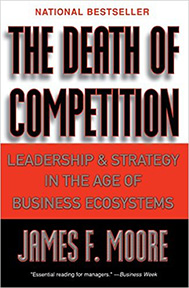
Best Practices in Organization Development and Change Culture, Leadership, Retention, Performance, Coaching | Louis Carter, David Giber, Marshall Goldsmith|2001 Beyond Strategic Vision Effective Corporate Action with Hoshin Planning | Michael Cowley, Ellen Domb|1997 The Biology of Business Decoding the Natural Laws of Enterprise | John Henry Clippinger|1999 The Board Member's Guide to Strategic Planning A Practical Approach to Strengthening Nonprofit Organizations | Fisher Howe|1997 The Book of Business Wisdom Classic Writings by the Legends of Commerce and Industry | Peter Krass|1997 Breaking Through Culture Shock What You Need to Succeed in International Business | Elisabeth Marx|1999 Building the Flexible Firm How to Remain Competitive | Henk Volberda|1998 Building Strategic Relationships How to Extend Your Organization's Reach Through Partnerships, Alliances, and Joint Ventures | William Bergquist, Juli Betwee, David Meuel|1995 Business Beyond the Box Applying Your Mind for Breakthrough Results | John O'Keeffe|1999 Capitalize on Merger Chaos Six Ways to Profit from your Competitors' Consolidation and Your Own | Thomas Grubb, Robert Lamb|2000 Choosing the Future The Power of Strategic Thinking | Stuart Wells|1998 Co-opetition 1. A Revolutionary Mindset That Combines Competition and Cooperation; 2. The Game Theory Strategy That's Changing the Game of Business | Adam Brandenburger, Barry Nalebuff|1996 The Collaboration Challenge How Nonprofits and Businesses Succeed Through Strategic Alliances | James Austin|2000 Collaborative Advantage Winning Through Extended Enterprise Supplier Networks | Jeffrey Dyer|2000 Competence-Based Competition | Gary Hamel, Aime Heene|2000 Competing for the Future Gary Hamel, Prahalad|1994 Competing in the Third Wave The Ten Key Management Issues of the Information Age | Jeremy Hope, Tony Hope|1997 Competing on the Edge Strategy as Structured Chaos | Shona Brown, Kathleen Eisenhardt|1998 Competitor Intelligence Turning Analysis into Success | David Hussey, Per Jenster|1999 Competitors Outwitting, Outmaneuvering, and Outperforming | Liam Fahey|1999 The Complete Guide to Mergers and Acquisitions Process Tools to Support M&A Integration at Every Level | Timothy Galpin, Mark Herndon|2000 Cooperate to Compete Building Agile Business Relationships | Kenneth Preiss, Steven Goldman, Roger Nagel|1996 Cooperative Strategy Competing Successfully through Strategic Alliances | Pierre Dussauge, Bernard Garrette|1999 Corporate Strategy Resources and the Scope of the Firm | David Collis, Cynthia Montgomery|1997 Corporate-Level Strategy Creating Value in the Multibusiness Company | Michael Goold, Andrew Campbell, Marcus Alexander|1994 Creating Value Shaping Tomorrow's Business | Shiv Mathur, Alfred Kenyon|1997 Customer Connections New Strategies for Growth | Robert Wayland, Paul Cole|1997 The Death of Competition Leadership & Strategy In the Age of Business Ecosystems | James Moore|1997 Developing Business Strategies | David Aaker|1998 The Differentiated Network Organizing Multinational Corporations for Value Creation | Nitin Nohria, Sumantra Ghoshal|1997 Digital Capital Harnessing the Power of Business Webs | Don Tapscott, David Ticoll, Alex Lowy|2000 Digital Darwinism 7 Breakthrough Business Strategies for Surviving in the Cutthroat Web Economy | Evan Schwartz|1999 The Digital Estate Strategies for Competing, Surviving, and Thriving in an Internetworked World | Chuck Martin|1997 Don't Jump to Solutions Thirteen Delusions that Undermine Strategic Thinking | William Rouse|1998 Driven How Human Nature Shapes Our Choices | Paul Lawrence, Nitin Nohria|2002 The Ecology of Commerce A Declaration of Sustainability | Paul Hawken|1994 The Fast Forward MBA in Business Quick Tips, Speedy Solutions, Cutting-Edge Ideas | Virginia O'Brien|1996 Fictions of Business Insights on Management from Great Literature | Robert Brawer|1998 Focus The Future of Your Company Depends on It | Al Ries|1996 From the Ground Up Six Principles for Building the New Logic Corporation | Edward Lawler|1996 Future Firms How America's High Technology Companies Work | Eric Bolland, Charles Hofer|1998 Futurize Your Enterprise Business Strategy in the Age of the E-Customer | David Siegel|1999 Germany, Inc. The New German Juggernaut and Its Challenge to World Business | Werner Meyer-Larsen|2000 High-Impact Consulting How Clients and Consultants can Leverage Rapid Results into Long-Term Gains | Robert Schaffer|1997 Implementing Your Strategic Plan How to Turn "Intent" Into Effective Action for Sustainable Change | Davis Fogg|1999 Innovation Breakthrough Thinking at 3M, DuPont, GE, Pfizer, and Rubbermaid | Rosabeth Kanter, John Kao, Fred Wiersema|1997 The Innovator's Dilemma When New Technologies Cause Great Firms to Fail | Clayton Christensen|1997 Inside the Kaisha Demystifying Japanese Business Behavior | Noboru Yoshimura, Philip Anderson|1997 Jumping the Curve Innovation and Strategic Choice in an Age of Transition | Nicholas Imparato, Oren Harari|1994 Kaizen The Key to Japan's Competitive Success | Masaaki Imai|1986 Making Strategy Work Building Sustainable Growth Capacity | Timothy Galpin|1997 Managing Across Borders The Transnational Solution | Christopher Bartlett, Sumantra Ghoshal|1998 Managing With A Global Mindset | Jean-Pierre Jeannet|2000 The Market Makers How Leading Companies Create and Win Markets | Daniel Spulber|1998 The McKinsey Way Using the Techniques of the World's Top Strategic Consultants to Help You and Your Business | Ethan Rasiel|1999 MetaCapitalism The e-Business Revolution and the Design of 21st-Century Companies and Markets | Grady Means, David Schneider|2000 The Mind of the Strategist The Art of Japanese Business | Kenichi Ohmae|1982 Modern Competitive Analysis | Sharon Oster|1999 Multinational Strategic Alliances | Robert Mockler|1999 New World, New Rules The Changing Role of the American Corporation | Marina Whitman|1999 The Origin and Evolution of New Businesses | Amar Bhide|2000 PartnerShift How to Profit from the Partnering Trend | Ed Rigsbee|2000 Perspectives on Strategy from the Boston Consulting Group | Carl Stern, George Stalk|1998 The Portable MBA Robert Bruner, Mark Eaker, Edward Freeman, Elizabeth Olmsted Teisberg, Robert Spekman|1998 The Power of Alignment How Great Companies Stay Centered and Accomplish Extraordinary Things | George Labovitz, Victor Rosansky|1997 The Power of Strategic Thinking Lock in Markets, Lock out Competitors | Michel Robert|2000 The Power of Two How Companies of All Sizes Can Build Alliance Networks That Generate Business Opportunities | John Conlon, Melissa Giovagnoli|1998 Private Sector Strategies for Social Sector Success The Guide to Strategy and Planning for Public and Nonprofit Organizations | Kevin Kearns|2000 Process Innovation Reengineering Work Through Information Technology | Thomas Davenport|1993 Race for the World Strategies to Build a Great Global Firm | Lowell Bryan, Jane Fraser, Jeremy Oppenheim, Wilhelm Rall|1999 Ready-Aim-Fire Problem Solving A Strategic Approach to Innovative Decision Making | Geoff Cox|2000 Real Time Strategic Change How to Involve an Entire Organization in Fast and Far-Reaching Change | Robert Jacobs|1997 The Rhythm of Business The Key to Building and Running Successful Companies | Jeffrey Shuman|1998 Scenarios The Art of Strategic Conversation | Kees van der Heijden|1996 The Six Sigma Revolution How General Electric and Others Turned Process Into Profits | George Eckes|2000 The Six Sigma Way How GE, Motorola, and Other Top Companies Are Honing their Performance | Peter Pande, Robert Neuman, Roland Cavanagh|2000 Smart Alliances A Practical Guide to Repeatable Success | John Harbison, Peter Pekar|1998 Strategic Market Management | David Aaker|1998 Strategic Operations Competing Through Capabilities | Robert Hayes, Gary Pisano, David Upton|1996 Strategies for High Performance Organizations Employee Involvement, TQM, and Reengineering Programs in Fortune 1000 Corporations | Edward Lawler, Susan Albers Mohrman, Gerald Ledford|1998 Strategy Pure & Simple II How Winning Companies Dominate Their Competitors | Michel Robert|1998 The Thinking Manager's Toolbox Effective Processes for Problem Solving & Decision Making | William Altier|1999 Thunderbird on Global Business Strategy The Faculty of Thunderbird,The American Graduate School of International Management | Robert Grosse|2000 TransCompetition Moving Beyond Competition and Collaboration | Harvey Robbins, Michael Finley|1998 The Ultimate Book of Business Thinking Harnessing the Power of the World's Greatest Business Ideas | Des Dearlove|2000 Value Migration How To Think Several Moves Ahead of the Competition | Adrian Slywotsky|1996 The Value Net A Tool for Competitive Strategy | Cinzia Parolini|1999 Value-Creating Growth How to Lift Your Company to the Next Level of Performance | Thomas Doorley, John Donovan|1999 Vital Signs Using Quality, Time, and Cost Performance Measurements to Chart Your Company's Future | Steven Hronec|1993 The WarRoom Guide to Competitive Intelligence Steven Shaker, Mark Gembicki|1999 Wharton on Dynamic Competitive Strategy | George Day, David Reibstein|1997 Wharton on Managing Emerging Technologies | George Day, Paul Schoemaker|2000 Winning Business Proposals | Deiric McCann|2000 Winning the Race for Value Strategies to Create Competitive Advantage in the Emerging "Age of Abundance" | Barry Sheehy, Hyler Bracey, Rick Frazier|1996
|
||||||||
 Strategy & Competition